How to Improve Indoor Air Quality After Mold Remediation
MC
After mold remediation, maintaining good indoor air quality is crucial to ensure a healthy living environment. Mold spores can linger in the air, potentially causing allergies and respiratory issues. Here's how you can improve your indoor air quality effectively.
Maintain Proper Ventilation
One of the most effective ways to improve indoor air quality is by ensuring proper ventilation. This helps to reduce humidity levels and minimize the chance of mold returning. Open windows and doors regularly to allow fresh air to circulate through your home.
Consider installing exhaust fans in areas prone to moisture, such as bathrooms and kitchens. These fans help in eliminating excess humidity and airborne contaminants.

Use Air Purifiers
Air purifiers are an excellent addition to your home, especially after mold remediation. They are designed to remove airborne particles, including mold spores, allergens, and dust. Choose a purifier with a HEPA filter for the best results.
Place air purifiers in rooms where you spend the most time, such as the living room and bedrooms. Regularly replace the filters to ensure they operate effectively.
Regular Cleaning and Maintenance
Keeping your home clean is essential for maintaining good air quality. Regularly dust and vacuum your home to reduce the accumulation of mold spores and other allergens. Use a vacuum cleaner with a HEPA filter to capture the smallest particles.
Pay special attention to areas prone to dampness, such as bathrooms and basements. Clean these areas frequently to prevent mold growth.

Dehumidify Your Home
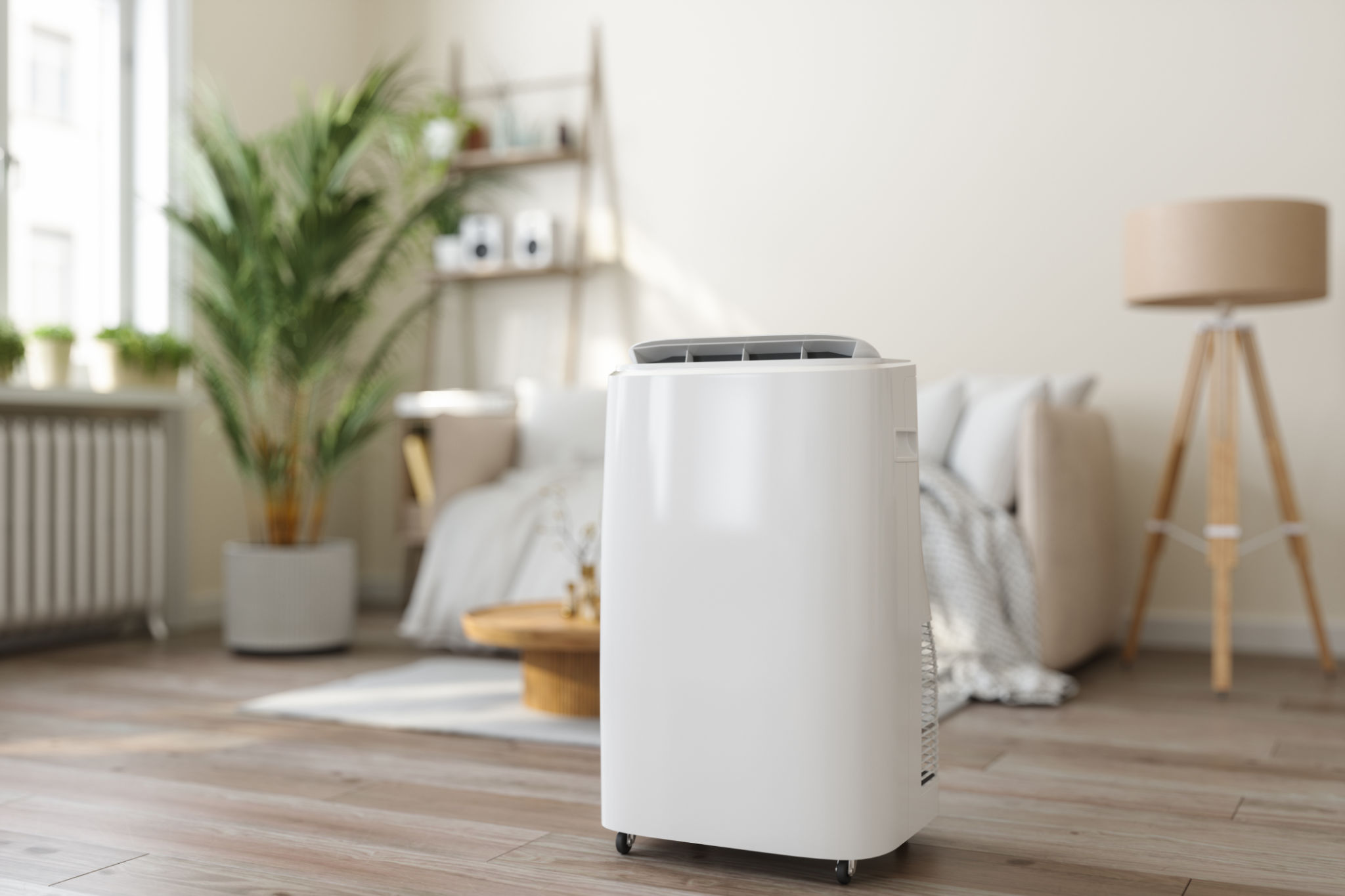
High humidity levels can lead to mold growth even after remediation. Use dehumidifiers to keep your indoor humidity between 30% and 50%. This range is ideal for preventing mold while being comfortable for occupants.
Inspect and Maintain HVAC Systems
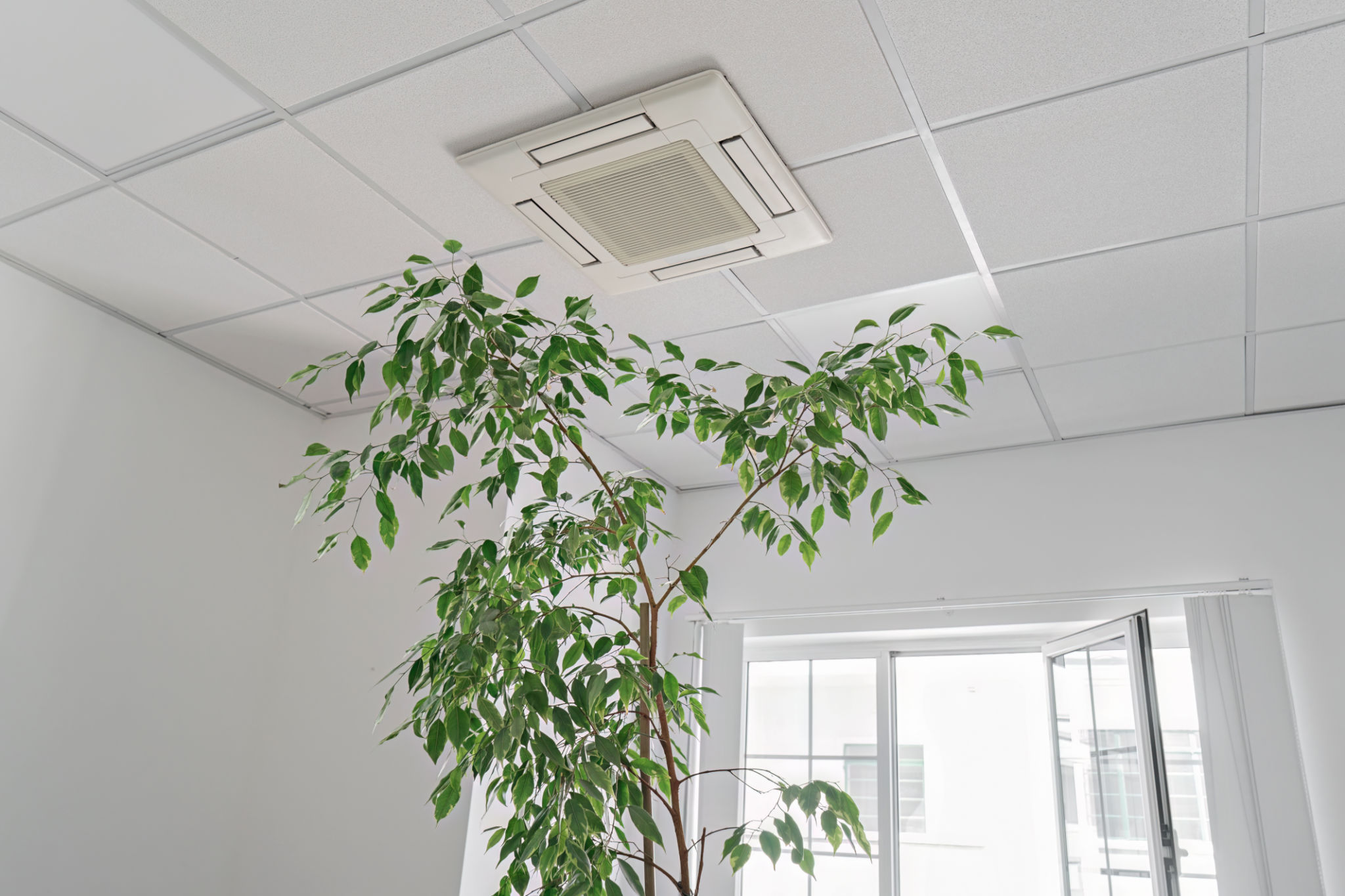
Your HVAC system plays a significant role in indoor air quality. Regular maintenance is crucial to ensure it operates efficiently. Change the air filters regularly and consider having your ducts cleaned to remove any mold spores that may have settled there.
Ensure that your HVAC system is correctly sized for your home to maintain optimal air circulation and humidity control.
Use Natural Mold Inhibitors
Consider using natural mold inhibitors to prevent future growth. Essential oils like tea tree oil and eucalyptus have antifungal properties and can be used in diffusers to help purify the air.
Additionally, houseplants such as spider plants and peace lilies can naturally filter indoor air, improving overall air quality.
Improving indoor air quality after mold remediation involves a combination of effective ventilation, regular cleaning, and the use of air purifiers and dehumidifiers. By following these steps, you can create a healthier and more comfortable living environment.